presents
For Internationally Educated Nurses
Your Nursing Journey To Manitoba Starts Here.
Everything you need to go from nursing abroad to RN registration with the College of Registered Nurses of Manitoba: every fee and who you pay, the help that can cover your costs, and the deadlines that catch people out. All in one place, in plain language.
See what is inside: get one year of access
What’s inside.
This self-help information guide is two resources in one: your nursing roadmap to registration, and your encyclopedia of Canadian culture and daily life.
- Six clear steps, from your credential report to your yearly renewal, with a box to tick for each task.
- Manitoba’s 2026 changes explained: the new competence assessment, more credential report choices, and working on a conditional registration.
- Every fee and who you pay, with a budget worksheet that adds up your own costs.
- Help with costs: the Manitoba IENs Program, grants and low-interest loans.
- Eight Manitoba hospital cities, with their hospitals, rent and what each one is like.
- Scam warning signs and the mistakes that cost nurses time and money.
- Tools that do the math for you: a licensing budget, a monthly home budget, a home purchase calculator and a calendar tool that puts your deadlines in your phone.
- Manitoba by the numbers: where newcomers live and come from, the nursing workforce, compensation, cost of living, weather and the health system, all on one page.
- First Weeks: 23 practical steps for your first weeks, from your SIN, bank account and phone to renting a home, your health card, school for your children and getting ready for winter.
Flags of Manitoba.
The National Flag of Canada, the red and white flag with the maple leaf, flies across the whole country, in Manitoba too.
Manitoba’s own flag includes the Royal Union Flag, which Queen Elizabeth II approved for its design in 1965. It looks much like the Canadian Red Ensign.
Official flower: the prairie crocus, adopted in 1906.
Motto: “Gloriosus et liber”, meaning “Glorious and free”.
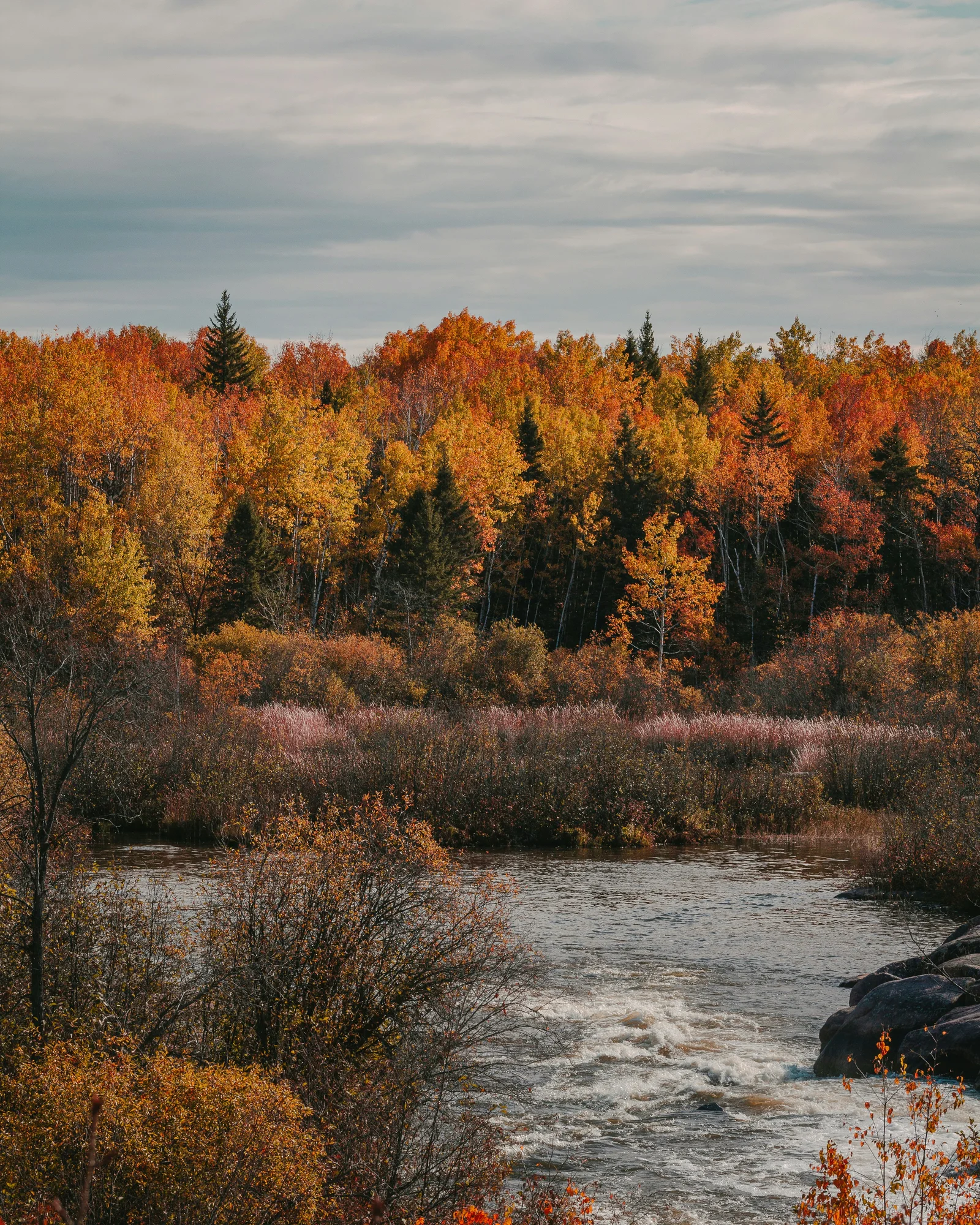
Geography of Manitoba.
Here is the lay of the land, one part at a time.
Northwest: Ancient Canadian Shield rock runs toward Saskatchewan, with lakes, wetlands and open stands of stunted black spruce that thin out farther north. Long sandy esker ridges wind across the land.
Northeast: A low, poorly drained plain lies along Hudson Bay, with permafrost near the coast. Here the Nelson River reaches the bay, and the land shifts from boreal forest to Arctic tundra.
Centre: Lake Winnipeg and the low Interlake country sit in the middle, with forest, fens and peat bogs. Most of Manitoba’s water flows north from here by the Nelson River.
Southwest: Higher plains of parkland and farmland end at the Manitoba Escarpment, with Riding Mountain, Duck Mountain and the Porcupine Hills along it. Baldy Mountain, 832 metres, is the province’s highest point; Turtle Mountain rises near the south.
Southeast: The flat bed of ancient Lake Agassiz holds the Red River plain and Winnipeg, among aspen, oak and fescue. Toward Ontario, Canadian Shield rock returns east of Lake Winnipeg.
Did you know? Manitoba’s Wapusk National Park protects one of the world’s largest polar bear maternity denning areas.
Fun Facts.
Ten things that make Manitoba one of a kind.
- Gimli’s Viking. A 4.6-metre fibreglass Viking stands in Gimli, built as a Canadian centennial project by the local Chamber of Commerce. Sculptor George Barone made it for $15,000. Iceland’s president, Asgeir Asgeirsson, unveiled it in 1967, and a new Viking Park was added around it in 2017. Source: Manitoba Historical Society, Historic Sites of Manitoba.
- A Monument to Mosquitoes. Komarno’s name is a Ukrainian word meaning lots of mosquitoes, so the community embraced it with a large stone and metal mosquito. Artist Marlene Magnusson Hourd designed and built it between 1984 and 1986. It was unveiled in October 1986. Source: Manitoba Historical Society, Historic Sites of Manitoba.
- The Snake Dens of Narcisse. Every spring, tens of thousands of harmless red-sided garter snakes emerge from limestone dens at Narcisse. Four active dens are linked by a 3-kilometre trail with viewing platforms. The best action comes from late April through May, peaking around Mother’s Day weekend. Source: Government of Manitoba.
- The Land That Gives Life. Pimachiowin Aki means The Land That Gives Life in Ojibwe. Added to the UNESCO World Heritage List on July 1, 2018, it covers 29,040 square kilometres of boreal shield. Manitoba’s government calls it Canada’s first mixed cultural and natural site. Source: Government of Manitoba.
- Money for the World. The Royal Canadian Mint opened its Winnipeg plant on April 30, 1976, and struck a penny as its first circulation coin. By the mid-1980s, all Canadian circulation coins were made there. Today it starts billions of coins for more than 80 countries. Source: Royal Canadian Mint.
- A Stone Fort on Hudson Bay. The Hudson’s Bay Company built Prince of Wales Fort between 1731 and 1771 on a point jutting into Hudson Bay. Its stone walls still stand near Churchill, now a national historic site. The fort opens to visitors only in July and August. Source: Parks Canada.
- A City Named from a Novel. Flin Flon takes its name from Josiah Flintabbatey Flonatin, hero of a novel called The Sunless City, found on the trail by prospector Tom Creighton’s party. The city claims to be the only one named after a science-fiction character. Cartoonist Al Capp designed the statue at its entrance. Source: City of Flin Flon.
- The Real Winnie. Lieutenant Harry Colebourn named his black bear cub Winnie after his adopted home town, Winnipeg. She later lived at the London Zoo, where she inspired A. A. Milne’s Winnie-the-Pooh. A bronze statue of the pair was dedicated in Assiniboine Park in 1992. Source: Manitoba Historical Society, Historic Sites of Manitoba.
- The Swinging Bridge of Souris. Squire Sowden built the first swinging bridge at Souris in 1904 to link his land on the east bank to town. The current bridge dates from 2013 and measures 184 metres tip to tip. The town claims it is the longest swinging pedestrian bridge in Canada. Source: Municipality of Souris-Glenwood.
- A Lake Made by a Meteor. West Hawk Lake in the Whiteshell was formed by a meteor falling from space. It is also Manitoba’s deepest lake, according to the provincial government. Source: Government of Manitoba.
Checked against official sources in fall 2026.